


|
“I am encouraging the continued development of relationships between department faculty and other disciplines.” This includes expanded involvement with research centers at Rensselaer such as the Center for Biotechnology and Interdisciplinary Studies, the Nanotechnology Center, and the Darrin Fresh Water Institute. The department already has growing collaborations on issues of national importance such as stem cells, cancer, and Alzheimer’s disease as well global climate change and water resource management.
Gilbert comes to Rensselaer from the University of Pittsburgh where she served on the faculty of the Department of Biological Sciences for the past 12 years. During her time at Pittsburgh, she was a member of the Molecular Biophysics and Structural Biology Graduate Program and the University of Pittsburgh Cancer Institute. She received a bachelor’s in chemistry from Randolph-Macon Woman’s College and a doctorate in cell biology from Dartmouth College.
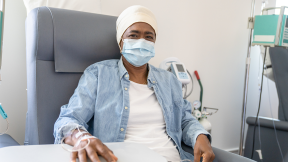
Gilbert is excited to continue her research, teaching, and mentoring while she works to build the core strengths of the department. Gilbert is widely recognized in the field of cell motility for her research on molecular motors that drive movements within our cells. She studies a family of motor proteins known as kinesins that interact with microtubules, which act as interstate highways of the cell. Understanding the role of different kinesins in the body offers scientists the opportunity to target drugs to a specific type of kinesin. Gilbert is working to understand the kinesins that function in cell division as cell division drives the spread of cancer in the human body. “If specific kinesins can be targeted and disrupted by drugs, chemotherapy of the future could become highly effective and more comfortable for the patients,” she says.
Gilbert’s overarching goal is to develop a top-ranked biology department that draws researchers and students from around the world to come together with the rest of the Rensselaer community to develop research that will truly change the world. “Biology is at the center of some of this century’s most difficult challenges, from cancer to global warming to infectious diseases such as malaria, tuberculosis, and HIV,” she says. “I want our biologists at the center of global efforts to solve these and related issues of importance to the health of all human beings and the planet on which we live.”
|